AI | Compliance | Small Business
Why Generic AI Compliance Tools Can Put Your Business at Risk

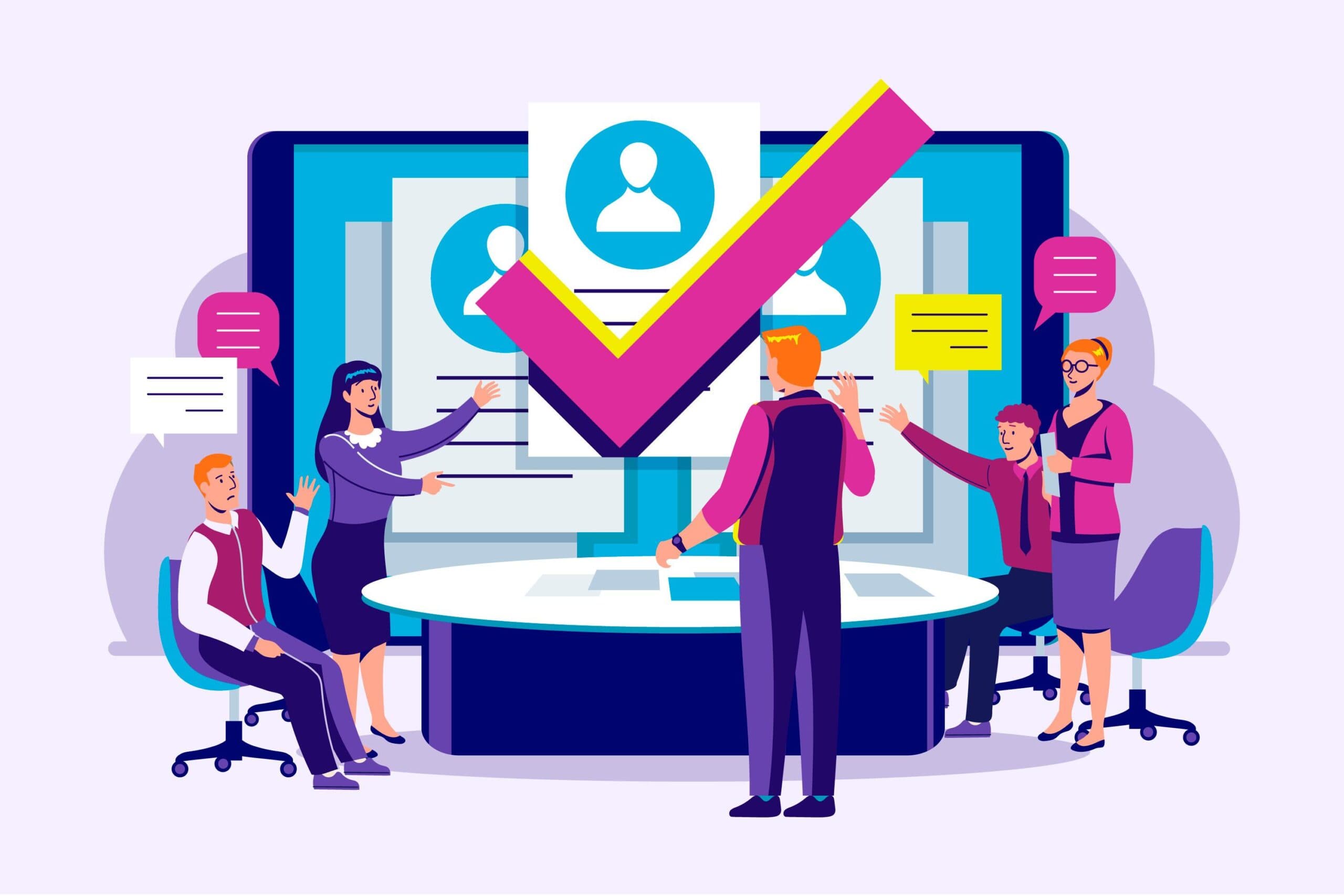
Artificial intelligence is rapidly transforming how businesses create policies, procedures, and documentation. While AI offers significant efficiency gains, not all AI-powered compliance tools are created equal.
Generic AI tools that are not purpose-built for compliance can introduce serious risk when used without proper guardrails, oversight, and domain-specific design.
The Appeal of Generic AI Compliance Tools
Generic AI tools promise speed, low cost, and instant documentation. For resource-constrained businesses, this can be extremely tempting.
However, speed without accuracy and accountability can quickly become a liability.
Where Generic AI Tools Fall Short
Most generic AI tools are trained on broad, uncontrolled data sources. They lack contextual understanding of regulatory nuance, industry-specific requirements, and audit expectations.
As a result, they may generate policies that are incomplete, outdated, contradictory, or misaligned with actual obligations.
The Risk of False Confidence
One of the greatest dangers of generic AI compliance tools is false confidence. Businesses believe they are compliant because documentation exists, only to discover gaps when scrutiny increases.
Auditors, customers, and regulators do not evaluate intent — they evaluate evidence.
Why Compliance Requires Guardrails
Effective compliance programs require structure, validation, and ongoing oversight. AI should assist compliance professionals, not replace judgment, experience, or accountability.
Without guardrails, AI-generated content can drift from regulatory reality over time.
How Purpose-Built AI Changes the Equation
Purpose-built compliance AI platforms are trained on curated content, aligned to specific frameworks, and designed with review and quality control processes.
This approach combines the efficiency of AI with the reliability of expert oversight.
The Bottom Line
AI is a powerful tool for compliance — but only when implemented responsibly.
Businesses that rely on generic AI tools without safeguards risk audit failure, contract delays, and reputational damage.
The future of compliance belongs to models that balance automation with accountability.
Similar Posts

What the BizNerva Partnership Means for My Compliance Library Clients

SOC 2 vs ISO 27001 vs HIPAA vs GDPR — Which Compliance Framework Do You Actually Need?

The True Cost of Compliance: In-House vs Fractional vs AI-Assisted

What Is Compliance for Small and Mid-Sized Businesses (SMBs) — and Why Most Get It Wrong
What Triggers a Compliance Requirement? Customers, Contracts, Insurers, and Regulators Explained