What Is Compliance for Small and Mid-Sized Businesses (SMBs) — and Why Most Get It Wrong

Compliance is one of the most misunderstood business functions in the small and mid-sized business (SMB) world. Many founders and operators believe compliance is something only large enterprises need, or that it only becomes relevant when a regulator knocks on the door. In reality, compliance impacts SMBs every day — often without them realizing it.
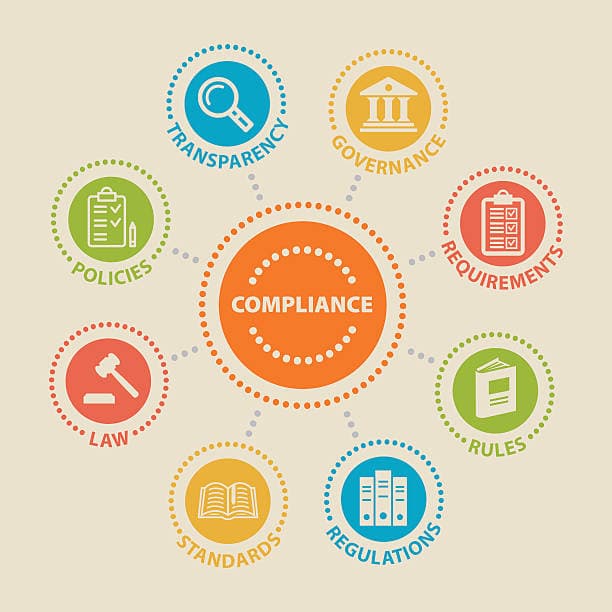
In plain English, compliance is the collection of policies, procedures, controls, and documented practices that demonstrate your business operates responsibly, securely, and in alignment with legal, contractual, and industry expectations.
Why SMBs Get Compliance Wrong
Most SMBs fail at compliance for three primary reasons. First, compliance is often reactive instead of proactive. Companies wait until a customer, insurer, bank, or auditor asks for documentation, then scramble to create it.
Second, many SMBs confuse compliance with regulation. While regulations matter, most compliance obligations actually come from contracts, insurance requirements, customer due diligence, and vendor risk management expectations — not government agencies.
Third, SMBs often believe compliance must be expensive, complex, and time-consuming. This belief leads either to avoidance or to overpaying for one-off consultants who deliver documents that quickly become outdated.
What Compliance Really Looks Like for SMBs
A practical compliance program for an SMB does not look like a Fortune 500 bureaucracy. It looks like a structured, scalable set of core policies, documented processes, risk awareness, and ongoing oversight that grows with the business.
This typically includes information security policies, vendor management procedures, data handling rules, incident response plans, employee training records, and evidence that these controls are actually followed — not just written down.
What Triggers Compliance Requirements
Most SMBs become subject to compliance requirements due to external triggers. Common triggers include enterprise customers requiring proof of controls, insurance carriers requesting documentation during renewal, banks conducting risk reviews, or investors performing due diligence.
In these moments, businesses without a compliance foundation often lose deals, face delays, or incur unexpected costs to retroactively build programs under pressure.
Compliance as a Cost-Control Mechanism
When implemented correctly, compliance reduces cost instead of creating it. A standardized compliance program minimizes duplicate work, prevents last-minute consultant spend, reduces operational disruptions, and lowers legal and reputational risk.
For SMBs, the goal is not perfection. The goal is consistency, clarity, and audit readiness — so compliance supports growth instead of slowing it down.
Getting Compliance Right from the Start
The most successful SMBs treat compliance as an operating function, not a project. They implement frameworks that can be maintained, monitored, and updated over time, often using fractional or AI-assisted models that provide expertise without enterprise overhead.
When compliance is designed correctly, it becomes a competitive advantage — enabling faster sales cycles, smoother audits, and stronger trust with customers and partners.
Similar Posts

What the BizNerva Partnership Means for My Compliance Library Clients

SOC 2 vs ISO 27001 vs HIPAA vs GDPR — Which Compliance Framework Do You Actually Need?

The True Cost of Compliance: In-House vs Fractional vs AI-Assisted

Why Generic AI Compliance Tools Can Put Your Business at Risk
What Triggers a Compliance Requirement? Customers, Contracts, Insurers, and Regulators Explained